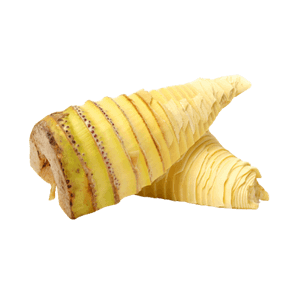
In ancient China, bamboo shoots were used as currency before paper money. Farmers used them like bills and coins. Each shoot’s length determined its value, allowing people to trade them for essentials, land, and even to pay taxes. Although bamboo shoots are no longer currency, their historical role shows the clever nature of ancient Chinese society.
Heads up!
Bamboo shoots must be cooked before consumption to remove any toxins that may be found in raw bamboo shoots.
Our go-to dishes:
1
Chicken Hot and Sour Soup
BOK CHOY
白菜 (báák choy)
Chameleon of the vegetable patch
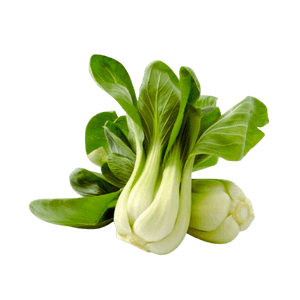
Appearances can be deceiving! Bok Choy, despite its humble look, presents a wide variety of different types, each possessing a unique taste. Baby Bok Choy complements seafood and tofu while Shanghai Bok Choy goes best with pork and mushrooms. The color of the leaves indicates the flavor – lighter greens for sweetness and darker greens for a more intense taste.
Heads up!
Opt for a quick stir-fry or add it towards the end of soups and stir-fries to maintain its freshness and nutritional value.
Our go-to dishes:
1
Braised Lion's Head Meatballs
CHINESE BROCCOLI
芥蘭 (gái lán)
A misunderstood identity
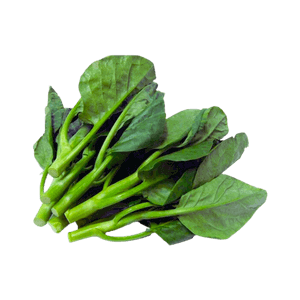
Often mistaken for it’s familiar cousin, Chinese broccoli, has a mix of sweetness and bitterness that adds depth to every dish. In China, It is is seen as a symbol of prosperity and good luck. With its nutritional benefits, Chinese Broccoli is a healthy addition to meals. It’s bold flavor and crunchy texture allow it to shine as a side dish or take center stage.
Heads up!
Pair Chinese broccoli with sweeter ingredients like honey, ginger, or oyster sauce to achieve a balanced taste.
Our go-to dishes:
1
Cantonese Clay Pot Rice
CHINESE CELERY
芹菜 (cán choy)
From TCM to cuisine
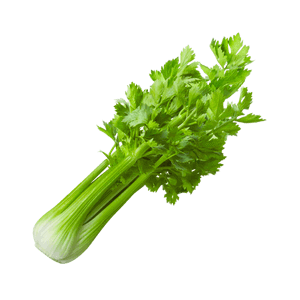
Chinese celery is used in Traditional Chinese Medicine for it’s cooling properties. The leaves and stems are believed to have anti-inflammatory and detoxifying effects. It is also thought to regulate water circulation. But you must note that scientific evidence may vary and individual responses can differ. Chinese celery can be enjoyed in various ways.
Heads up!
Don’t discard the Chinese celery leaves! Instead, chop them up and incorporate them into dishes to enhance the flavor.
Our go-to dishes:
1
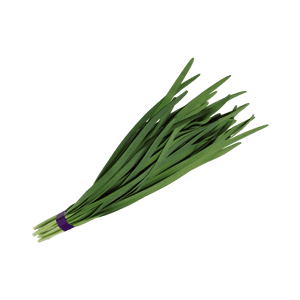
CHINESE CHIVES
韭菜 (cáu choy)
There's more than meets the eye
Chinese chives are flavorful than they appear. Beyond their green appearance, these herbs taste, a mix of garlic and onion. They can be used in many ways to enhance ordinary dishes, showcasing their unique culinary potential. In Chinese culture, they symbolize a long and healthy life. remember that there is more to them than what meets the eye.
Heads up!
Remove the bottom tips before using them since the fresh stems and leaves provide the highest amount of flavor.
Our go-to dishes:
1
Deep-fried Vegetable Spring Roll
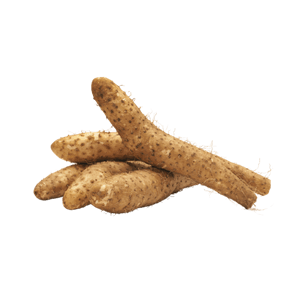
CHINESE YAM
淮山 (wáái sáán)
The secret weapon for longevity
Chinese yam is revered in Traditional Chinese Medicine for boosting the body’s vital energy, or “Qi”. Qi flows through the body, governing its functions and also maintaining balance. This versatile root supports the nourishment of the body’s Qi reserves. Chinese yam is believed to stimulate Qi circulation as well as dispel coldness.
Heads up!
Chinese yam can be enjoyed raw, boiled, steamed, stir-fried, and in soups to reap its beneficial properties.
Our go-to dishes:
1
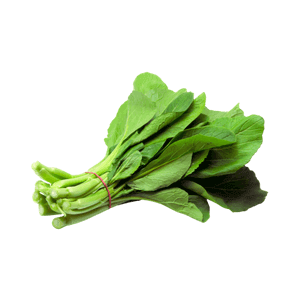
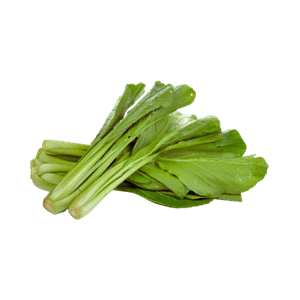
CHOY SUM
菜心 (choy sum)
From farm to fork...and back again
Traditional harvesting methods typically require the entire vegetable to be removed. Nevertheless, Choy Sum stands out as it has the ability to grow back post-harvest. By only harvesting the upper leaves and stems, the plant can regenerate, offering a supply of fresh greens throughout the year. This ongoing process not only makes Choy Sum sustainable but also highlights its resilience.
Heads up!
When selecting Choy Sum, go for bundles of vibrant green leaves with moist stem ends for better taste, texture, and freshness.
Our go-to dishes:
1
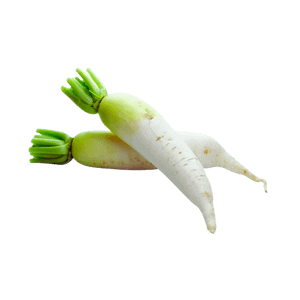
DAIKON RADISH
白蘿蔔 (bààk lo bààk)
Not just for taste, but for your face too
Daikon radish is more than a culinary ingredient. It’s juice is believed to brighten the skin and is used in traditional beauty rituals. Daikon radish seed oil is often used in skincare products. The radish itself is delicious and versatile in culinary dishes. The seeds take the spotlight in beauty treatments. A radish could be so multi-talented!
Heads up!
Daikon leaves draw moisture from the root, leading to faster dehydration. Hence remove the leaves before storing them.
Our go-to dishes:
1
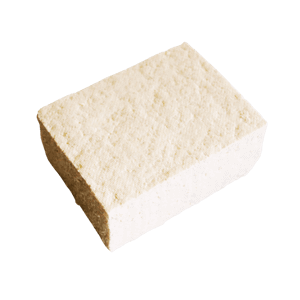
FIRM TOFU
硬豆腐 (ngáng dáu fu)
The Maillard miracle
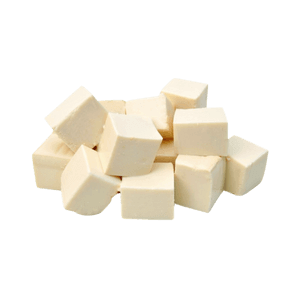
Turning firm tofu into a delicious wonder is like performing a kitchen miracle! The Maillard reaction creates a golden brown color when exposed to heat. This chemical process occurs when amino acids and reducing sugars react under heat, transforming the tofu and enhancing it’s flavor and texture. So next time you see firm tofu, be inspired!
Heads up!
Cook firm tofu with care. Overcooking makes it dry and rubbery, while undercooking leaves it bland.
Our go-to dishes:
1
Chicken Hot and Sour Soup
2
Steamed Stuffed Tofu with Pork
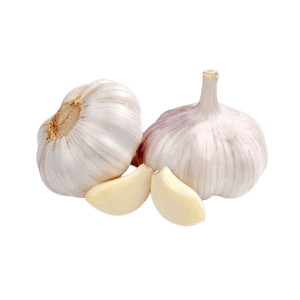
GARLIC
蒜 (syun)
Scarier than taste: what it wards off
The belief that garlic held magical significance in China, used to ward off evil spirits, has its roots in folklore and cultural practices. Although not truly possessing mystical powers, this idea is based on the strong smell and flavor of garlic, believed to have beneficial effects. Over time, garlic has been praised for its healing properties and protective attributes.
Heads up!
For easier crushing and less mess, leave the skin on, preventing the sticky garlic from clinging to your knife.
Our go-to dishes:
1
Pork Wonton in Red Chili Oil
2
Sichuan Saliva Chicken
3
Sichuan Water-Boiled Fish
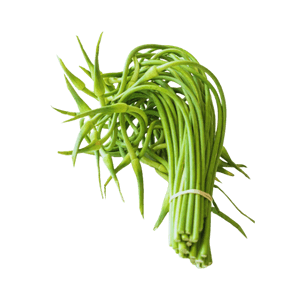
GARLIC SCAPES
蒜芯 (syun sám)
A forgotten veggie with big personality
For an extended period, garlic scapes have been neglected or discarded. Nevertheless, their distinct taste, a mix of garlic, sweetness, and onion, is quite potent. This unique flavor profile sets garlic scapes apart. These are the verdant stems that sprout from specific garlic varieties and are frequently discarded. Garlic scapes can be enjoyed fresh, cooked, or even pickled.
Heads up!
If the garlic scapes have tough ends, do not discard them. Instead, roast them for a savory, crunchy snack.
Our go-to dishes:
1
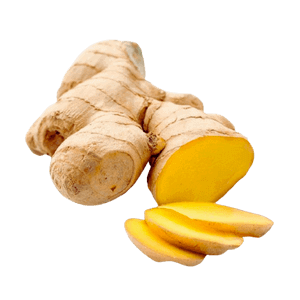
GINGER
姜 (goeng)
Known as the ultimate survival tool!
Ginger has a rich history as a natural remedy and a powerful ally. It has anti-emetic properties to calm nausea and vomiting. Ginger also has antimicrobial properties to protect against infections and disinfect wounds. It’s anti-inflammatory magic provides natural relief and the aromatic qualities can mask unpleasant smells and ward off insects.
Heads up!
Simply simmer sliced ginger in sugar water, let it cool and harden, and voila! You’ve got delicious hunger candies.
Our go-to dishes:
1
Braised Lion's Head Meatballs
2
Shandong Braised Prawns in Oil
3
Sichuan Saliva Chicken
4
Wuxi Style Pork Spare Ribs
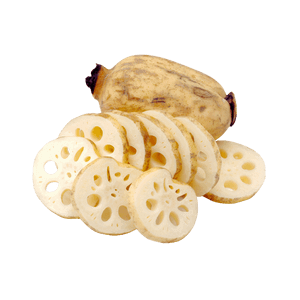
LOTUS ROOT
蓮藕 (lin ngáu)
The mud magnet yet beyond the muck
Lotus roots function as a natural filtration system! They have the ability to remove contaminants from unclean water, turning them into delicious and environmentally friendly food. They are designed with a unique internal navigation system! With their air passages, they can continue to respire while submerged in mud, establishing them as the top survivors among plants.
Heads up!
Soaking lotus root slices in cold water for 15-30 minutes before cooking helps them retain their crispy texture.
Our go-to dishes:
1
Stuffed Lotus Root with Sticky Rice
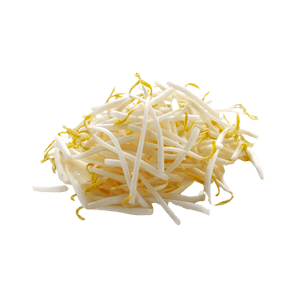
MUNG BEAN SPROUTS
芽菜 (ngáá choy)
Tiny taste of terra firma
Tiny explosions of fresh soil – that’s what mung bean sprouts are! The sprouts have a delightful, earthy aroma, like after a summer shower. These petite green shoots contain geosmin, a molecule that reminds me of lush meadows and fertile land. Each bite of the sprouts is like a mini adventure, with a flavor that reminds me of solid ground and the simple pleasures of nature.
Heads up!
Blanch the sprouts briefly in boiling water to soften and reduce the grassy flavor, making them palatable for some.
Our go-to dishes:
1
MUSTARD GREENS
芥菜 (gáái choy)
Let the greens do the talking!
Mustard greens use their unique scent to repel pests. The scent is a blend of horseradish and wasabi. It keeps both your garden and your plate free of pests. These compounds also have a bitter taste and can irritate insects’ mouths and digestive systems. Though potent against pests, mustard greens’ spicy kick is mild and enjoyable for humans.
Heads up!
Don’t shy away from their peppery punch! Sautéing or stir-frying mustard greens intensify their flavor.
Our go-to dishes:
1
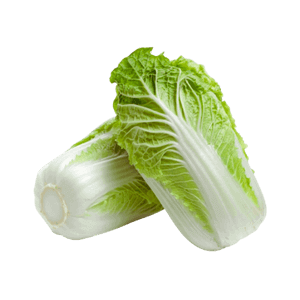
NAPA CABBAGE
黃芽白 (wong ngáá báák)
Hydrate from inside out
Did you know Napa or Chinese cabbage boasts a whopping 92% water content? That’s even higher than celery and cucumber, making it a natural hydrator on a plate. It can replenish lost fluids, keeping you energized throughout the day. Adequate hydration is crucial for glowing skin, and Napa cabbage can contribute to that healthy, dewy look.
Heads up!
The outer leaves might be tougher, but they’re still packed with flavor. Use them for wraps, or pickle them for a tangy treat.
Our go-to dishes:
1
Shrimp and Chicken Lo Mein
SCALLIONS
蔥 (cung)
Slay the sneezes with spicy style
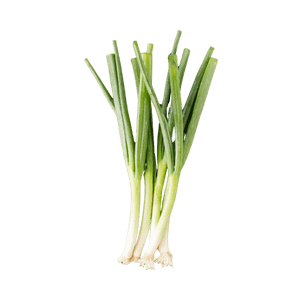
Scallions, the green friends on food, are ancient cold-fighting heroes in China. Here’s how: steep white ends in hot water for tea that clears congestion. Alternatively, blend or crush chopped scallions and incorporate them into a warm saltwater gargle. Scallions may not cure a cold overnight, but their expectorant qualities can alleviate symptoms.
Heads up!
Scallions can be stored in a plastic bag in the refrigerator for up to a week. Trim off the root ends before using.
Our go-to dishes:
1
Braised Lion's Head Meatballs
2
Chinese Pork Stuffed Flatbread
3
Pork Wonton in Red Chili Oil
SILKEN TOFU
嫩豆腐 (neen dáu fu)
Tofu Houdini: the great escape act
Silken tofu is a master of disguise, just like Houdini, in the culinary world, and has a magical secret. It can transform from a creamy dream to a sponge-like wonder. Thaw it, and poof! It regains it’s smooth, custard-like grace. This Houdini of the bean curd world is more than just a pretty face as it can slip into soups, and desserts or be eaten just the way it is.
Heads up!
Silken tofu is a master of disguise! Blend it into creamy dips, sauces, and even vegan milkshakes for a hidden protein.
Our go-to dishes:
1
SNOW PEAS
荷蘭豆 (ho láán dáu)
The pods with no peasants allowed
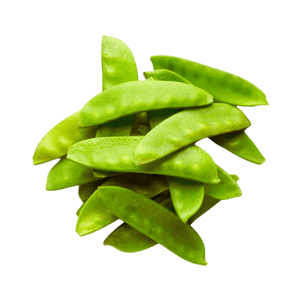
Snow peas are different from regular peas. They emerge from their pods early, and show off their bright green coats. Unlike other vegetables, snow peas are not afraid of winter and continue to grow. You can eat the entire pod, not just the small peas inside as do not contain inedible fiber which is why they are more palatable and not meant to be discarded.
Heads up!
Snow peas prefer a quick flash of heat to retain their snap and vibrant color. Like steaming, stir-frying, or a fast blanch.
Our go-to dishes:
1
TARO ROOT
芋头 (wu táu)
The potato's eclectic cousin
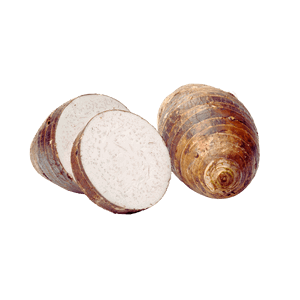
Taro root is an exciting alternative to the potato. This underground gem offers a taste that is between sweetness and earthiness, a far cry from the familiar russet. Taro can be made into creamy mashed, crispy fritters, or spicy chips. Moreover, for those seeking a healthier option, taro has fewer carbohydrates and more fiber than it’s popular counterpart.
Heads up!
Smaller taros tend to be sweeter and less fibrous. Look for firm, smooth roots with no wrinkles or soft spots.
Our go-to dishes:
1
WATER SPINACH
通菜 (tung choy)
The heartless stem with full flavor
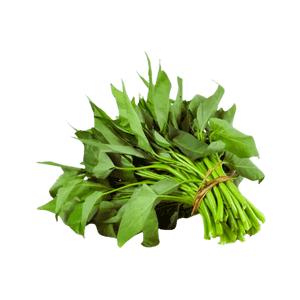
Water spinach is referred to as the “empty heart vegetable” due to its hollow stem. The vegetable has a fascinating tale in Chinese folklore. In the legend of Bi Gan, water spinach had a tragic role to play as he lived with his heart exposed, and upon seeing the vegetable, its emptiness served as a reminder of his vulnerability, leading to his demise.
Heads up!
Store water spinach for later? Wrap unwashed stems loosely in a damp paper towel and refrigerate for up to 3 days.