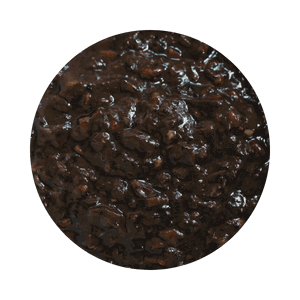
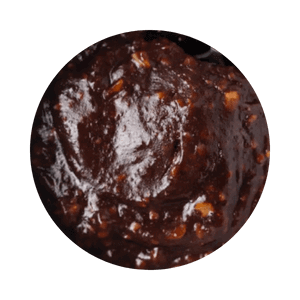
Do not fear the black bean sauce’s dark color; it’s a friendly companion in the kitchen. It adds a flavorful kick and it is made with fermented black beans and aromatic seasonings with a hint of sweetness. A small amount of this black bean sauce can completely transform your dish, instantly adding a burst of umami to stir-fries, stews, and steamed dishes.
Heads up!
Start with a small and adjust to taste. Black bean sauce can be potent. It’s easy to add more but difficult to take it away.
Our go-to dishes:
1
BLACK VINEGAR
镇江香醋 (zhen jiáng xiáng cu)
Has a culinary transformative power
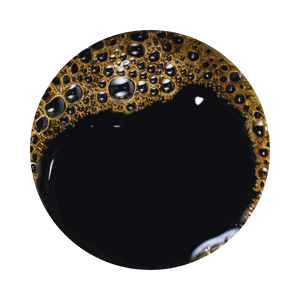
Black vinegar is not just a flavor booster but also a culinary wizard. A few drops of black vinegar can transform everyday dishes into magical feasts. Black vinegar is made through fermentation and has sweet, sour, and umami notes. In Chinese culture, and is believed to have medicinal properties. It can boost digestion and improve blood circulation.
Heads up!
Black vinegar’s intense flavor and acidity can easily overpower a dish. Use sparingly – a single drop goes a long way.
Our go-to dishes:
1
Chicken Hot and Sour Soup
2
Pork Wonton in Red Chili Oil
3
Sichuan Saliva Chicken
DARK SOY SAUCE
老抽 (louh chàu)
The unconventional mixologist
Dark soy sauce is a secret ingredient for enhancing drinks. Yes, you heard it right, it adds a unique savory flavor to popular drinks like Bloody Mary or a mocktail. Combine it with ginger, citrus, or a touch of sweetness to make your drinks more interesting. However, note that taste is subjective, and people may have different reactions with unconventional combinations.
Heads up!
For richer flavor and color, add dark soy sauce early in cooking. Then adjust color with a final touch near the end.
Our go-to dishes:
1
Cantonese Clay Pot Rice
2
Shrimp and Chicken Lo Mein
3
Wuxi Style Pork Spare Ribs
FERMENTED BEAN CURD
腐乳 (fu yee)
The plant-based Chinese cheese
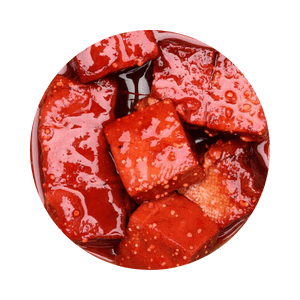
Fermented bean curd, also known as “Chinese cheese,” has a rich and savory flavor. It adds a unique umami taste to different dishes. Despite being plant-based, it brings a creamy and has cheese-like complexity to your creations. It is commonly used as a condiment but can be experimented with in dips, spreads, sauces, and salad dressings.
Heads up!
To tame the strong aroma of Fermented Bean Curd, blend it with ginger, garlic, or a touch of sweetness.
Our go-to dishes:
1
FERMENTED BLACK BEANS
豆豉 (dou chi))
A tiny capsule, aged to perfection
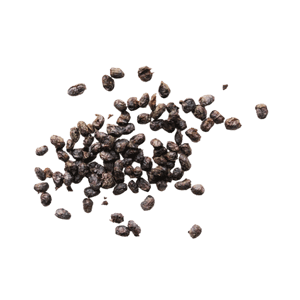
Fermented Black Beans are created through natural fermentation. These tiny beans add umami flavor to your dishes. As they age, their flavors become more complex, bringing depth and excitement to the dishes. They are a good source of protein and the fermentation process produces probiotics, which support a healthy gut and aid digestion.
Heads up!
These beans pack a powerful umami punch, but watch the sodium! Start small and adjust as needed.
Our go-to dishes:
1
HOISIN SAUCE
海鮮醬 (hoi sin zoeng)
A misnomer that's worth the mislead
Hoisin sauce, despite its Cantonese name that translates to “seafood,” is surprisingly a vegetarian sauce. Born as a dip for seafood at a local food stall, it’s deliciousness led the name to stick. Often called a Chinese barbecue sauce, this thick, sweet, and savory sauce works magic on various dishes, from fatty meats to fresh vegetables and even as a dipping sauce.
Heads up!
For a sticky, caramelized BBQ glaze, mix Hoisin with honey OR brown sugar and 1-2 tbsp. rice vinegar. Brush on near the end.
Our go-to dishes:
1
LIGHT SOY SAUCE
生抽 (sááng cáu)
Brewed, but ain't for drinking
Light soy sauce is a flavor powerhouse, brewed to perfection and aged for months, sometimes even years, just like a fine wine, but it’s meant to be savored, not sipped. It has ten times the antioxidants of red wine and is a healthy condiment. Soy sauce is known for it’s salty punch and high sodium content. It originated in China over 3,000 years ago.
Heads up!
Steep herbs, spices, or garlic in light soy sauce for a few hours or overnight to create a custom flavor bomb for stir-fries.
Our go-to dishes:
1
Cantonese Clay Pot Rice
2
Shandong Braised Prawns in Oil
3
Steamed Stuffed Tofu with Pork
4
Wuxi Style Pork Spare Ribs
OYSTER SAUCE
蠔油 (hou jáu)
Fishy faux paus
Hold your noses, seafood lovers! The fishy fear-mongering surrounding oyster sauce is actually a total myth. This Chinese condiment is a refined sweet surprise, elevating your dishes without a hint of the sea. While it shares its name with bivalves, oyster sauce is more akin to liquid sweetness. Leftover oysters are turned into chewy treats packed with energy.
Heads up!
Oyster sauce adds richness to soups, stews, marinades, and even dips. start with a small amount and add more to taste.
Our go-to dishes:
1
Braised Lion's Head Meatballs
2
Shrimp and Chicken Lo Mein
PICKLED LONG BEANS
鹹豆角 (háám táu kok)
Nature's probiotic powerhouse
Long beans are a cherished part of Chinese cooking history. Their pickling origins are legendary, with some saying it was a way to preserve harvest and others claiming it satisfied hungry emperors. While probiotic supplements aren’t popular in China, pickled foods like long beans aid digestion, lower cholesterol, and protect against gut infections.
Heads up!
Store in the fridge, but not for too long! Pickled long beans are best enjoyed within a few weeks for optimal flavor and texture.
Our go-to dishes:
1
PICKLED MUSTARD GREENS
鹹菜 (háám choy)
A lesson in patience and flavor
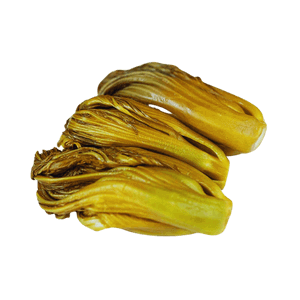
Pickled mustard greens can bring a touch of mystery and heat to stir-fries and soups. Every bite serves as a reminder that a simple ingredient can transform into something extraordinary through patience and care. Moreover, they support digestion and act as a spicy ally for your gut. Perhaps ancient rulers stumbled upon this pickling method to infuse a fiery kick and flavor.
Heads up!
For easier crushing and less mess, leave the skin on, preventing the sticky garlic from clinging to your knife.
Our go-to dishes:
1
SALTED DUCK EGGS
鹹鴨蛋 (háám ááp dáán)
From sunrise star to savory superstar
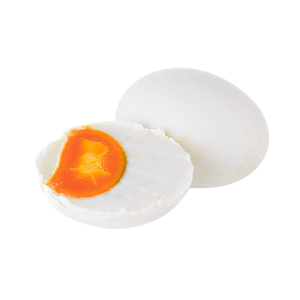
Records indicate that people in China have enjoyed salted duck eggs since the Ming Dynasty, valuing them for their protein and fat content during scarcity. The salting process made these eggs ideal for portable snacking, beneficial for travelers, farmers, and soldiers. Today, salted duck eggs remain a versatile ingredient, used in stews, sauces, and desserts.
Heads up!
Enjoy the egg at room temp. for the full flavor and creamy texture. Microwaving can make the yolk rubbery.
Our go-to dishes:
1
SALTED FISH
鹹魚 (háám jyu)
The story from sea to a saviour
From the deep sea to the warm kitchens of Cantonese households, salted fish originates from a time of need centuries ago, it served as a method to store seafood when resources were scarce, ultimately emerging as a valuable source of protein. In the present day, salted fish remains a crucial component of Cantonese cooking, adding a savory touch to various dishes.
Heads up!
Steaming or simmering are ideal cooking methods for salted fish. This preserves it’s texture and allows the flavors to bloom.
Our go-to dishes:
1
SALTED RADISH
鹹蘿蔔 (háám lo báák)
Winter's Bite, Spring's Promise
Throughout China, where the weather is extreme, the salted radish represents resilience and culinary creativity. For generations, families have preserved this simple vegetable during the harsh seasons, turning it into a salty treasure. It’s tang, sharp and briny, reflects the coldness of winter, yet beneath the surface, it hints at the arrival of spring.
Heads up!
Don’t be afraid to add a kick! Chilies, ginger, and garlic pair beautifully with the radish’s salty tang.
Our go-to dishes:
1
Steamed Pork Patty with Water Chestnuts
SESAME OIL
芝麻油 (zi máá jáuy)
From lamplighter to an artist
Centuries ago, in the northwest of China, sesame oil in China was called “night oil” because it could light up homes and temples as early as the 7th century AD. Approximately 5000 years ago, Chinese artisans burned this oil to produce soot for high-quality ink blocks. This gave their brushstrokes a nutty aroma and also aided in the smooth flow of their ink.
Heads up!
Steep sliced garlic, chilies, or herbs in toasted sesame oil for a week. This flavor-packed oil will bring magic to your dishes.
Our go-to dishes:
1
Cantonese Clay Pot Rice
2
Chinese Pork Stuffed Flatbread
SHAOXING WINE
紹興酒 (siu hing záu)
In my glass: surprisingly common!
Shaoxing wine can also be enjoyed like fine-aged wine, offering a delightful and fruity taste. There are different types of Shaoxing wine that vary in quality, some are meant for cooking, while others are meant for drinking. Dedicated brewers are reviving the ancient art of making Shaoxing wine, increasing its popularity as both a cooking ingredient and as a beverage.
Heads up!
Store opened Shaoxing wine in the refrigerator to preserve it’s freshness and prevent it from becoming overly pungent.
Our go-to dishes:
1
Braised Lion's Head Meatballs
2
Shandong Braised Prawns in Oil
3
Sichuan Saliva Chicken
4
Sichuan Water-Boiled Fish
5
Wuxi Style Pork Spare Ribs
WHITE RICE VINEGAR
米醋 (mei cou)
A natural path to a glowing skin
Trade in harsh chemicals for white rice vinegar as this Asian treasure is key for radiant skin. Say goodbye to store-bought toner and use white rice vinegar, water, and tea tree oil. The mixture balances your skin’s pH, preparing it for moisturizer. So, leave behind those harmful ingredients and allow nature’s gentle touch to reveal your inner radiance.
Heads up!
Add a spoonful of white rice vinegar to your rice cooker for a fluffier, airier texture. cooked rice.
Our go-to dishes:
1
Crispy Roast Pork Belly
2
Fried Carp with Sweet and Sour Sauce
XO SAUCE
XO醬 (xo jeung)
Caviar of the orient
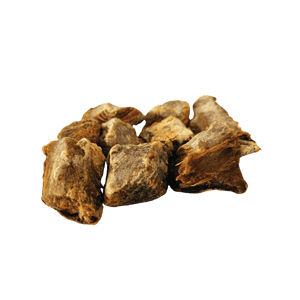
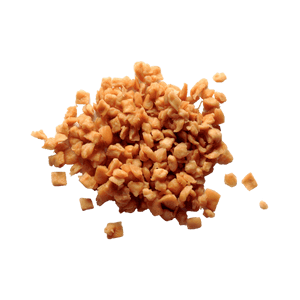
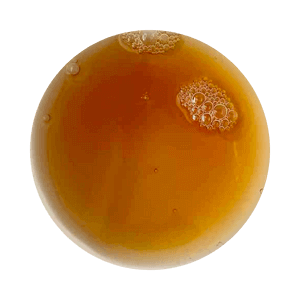
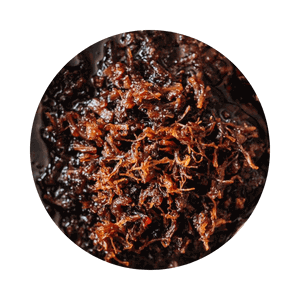
The XO sauce’s true magic lies in its skillfully crafted mixture of dried seafood, providing a deep umami flavor and a powerful burst of taste. This sauce is considered premium because it is made with high-quality ingredients. The cook who created it named it after a popular and expensive XO cognac, but the sauce doesn’t actually contain any cognac.
Heads up!
XO sauce elevates chicken, vegetables, and even tofu dishes. Try it in stir-fries, soups, sauces, or even marinades.